Spring and early summer checks
In District of Columbia, spring rain can push moisture toward foundations. Start with exterior drainage: ensure downspouts direct water at least five feet away from the house, clean gutters, and inspect the flashing where the roof meets walls. Inspect window wells and exterior doors for gaps that let in moisture. Our restoration specialists recommend re-caulking any cracked joints and addressing poor grading that channels water toward the foundation.
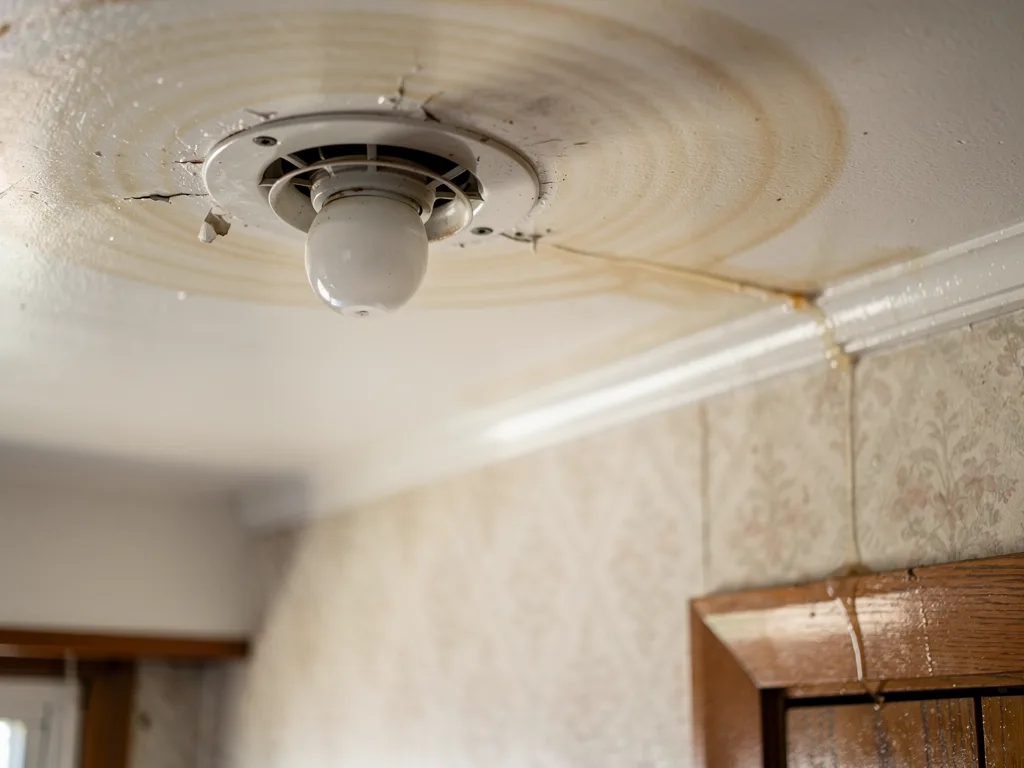
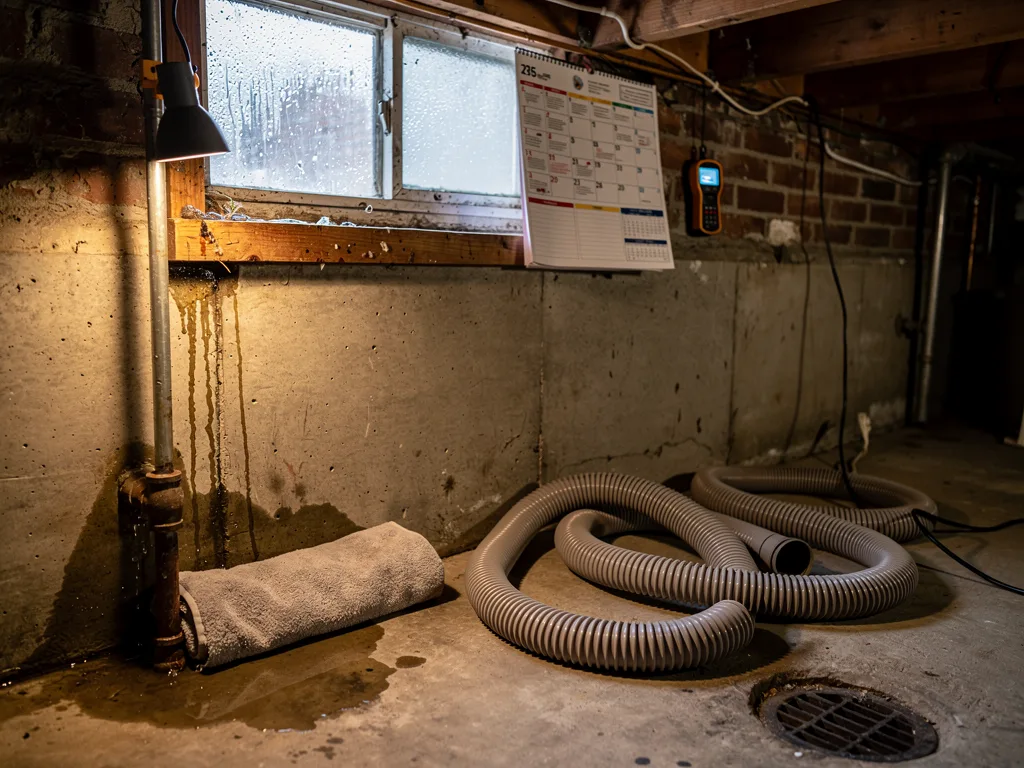
Inside, look for musty smells near basements or crawl spaces after heavy rains. If you notice dampness in these zones, you may have a hidden moisture path that needs to be traced and addressed before it causes material damage.
Summer reminders
Humidity can spike in late spring and early summer, especially after heat waves. Use a dehumidifier in susceptible areas and maintain indoor humidity around 30 to 50 percent if practical. This helps slow the progression of any moisture-related issues. Check for condensation on windows and doors, and keep interior air moving with fans or ventilation in kitchens and baths.
Seasonal storms can lead to door and window leaks. Our restoration specialists advise inspecting seals around exterior openings annually and addressing any softened wood or noticed staining promptly to prevent deeper damage.
Fall and winter preparation
As temperatures drop, freeze-thaw cycles can stress building envelopes. Seal gaps around pipes, electrical outlets, and where plumbing enters the home, even if you don’t see a leak yet. Inspect the attic space for signs of moisture or frost formation on sheathing. Moisture left untreated now can migrate and create bigger problems when the cold season hits.
Across District of Columbia, preventative action is about routine checks and timely intervention. Our crew can tailor a seasonal plan for your home, setting up alerts for unusual moisture and pointing out risky spots before they become costly repairs.